
Dining Room Furniture Buying Guide
Purchasing Dining Room Furniture
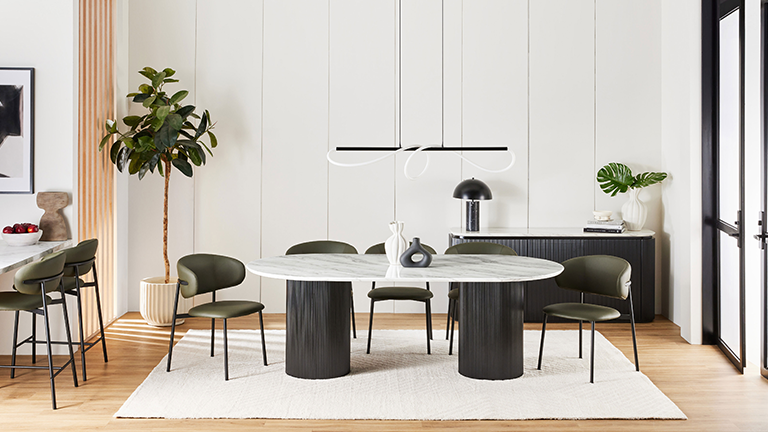
Consider the following when shopping for dining chairs, dining tables and sideboards:
- Create a cohesive look. If you're mixing and matching furniture rather than purchasing a complete dining set, choose pieces with a shared design element. For example, a rectangular dining table pairs well with chairs featuring clean, linear silhouettes.
- Consider your lifestyle. Choose furniture that suits the way you live. Families with young children may benefit from durable materials, easy-care finishes, and stain-resistant upholstery.
- Measure before you buy. Carefully check your room dimensions, doorways, hallways, and access points to ensure your new furniture fits comfortably into both the space and your home.
- Allow enough space around the table. Ensure there is sufficient room for guests to move comfortably. As a general guide, allow at least 90cm of clearance between the table and surrounding walls or furniture.
- Consider seating capacity. Think about how many people you typically entertain and whether you need flexibility for special occasions. Extendable dining tables can be a practical solution for growing families and frequent hosts.
- Prioritise comfort. Dining chairs should be comfortable enough for everyday meals and extended entertaining. Consider seat height, back support, cushioning, and armrest clearance when selecting chairs.
- Think about storage needs. Sideboards, buffets, and display cabinets can help keep dining essentials organised while adding style and functionality to your space.
Types of Dining Room Furniture
Dining Tables
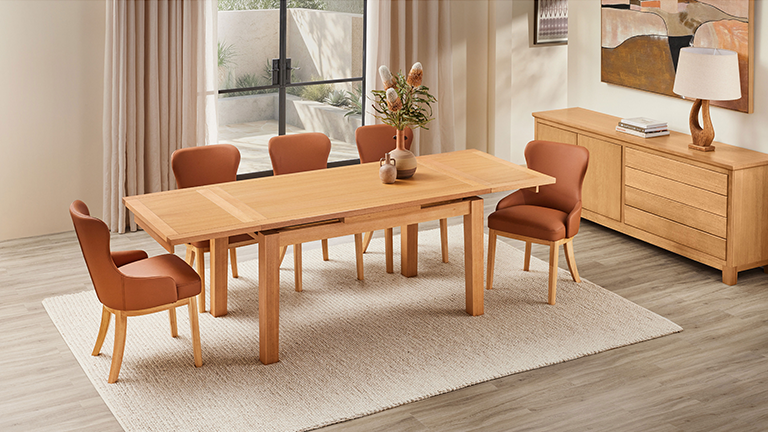
The dining table is often the focal point of a dining space, shaping both the look and functionality of the room. Use the following guidelines to find the dining table that's right for your space and lifestyle:
- Choose the right table shape. The shape of your dining table can influence both functionality and flow. Round tables encourage conversation and work well in smaller spaces, while rectangular tables are ideal for larger rooms and gatherings.
- Choose the right size for your household. Start by considering how many people you need to seat regularly. As a guide, allow approximately 50cm of table space per person for rectangular tables and around 75cm per person for round tables.
- Make the most of your space. Round dining tables can accommodate a similar number of guests as rectangular designs while taking up less floor space, making them a great choice for smaller dining areas.
- Plan for flexibility. Extendable dining tables offer the versatility to maximise everyday space while providing additional seating when entertaining. Designs with butterfly extension mechanisms, where the extra leaf is neatly stored within the table, deliver a practical and streamlined solution.
Dining Chairs
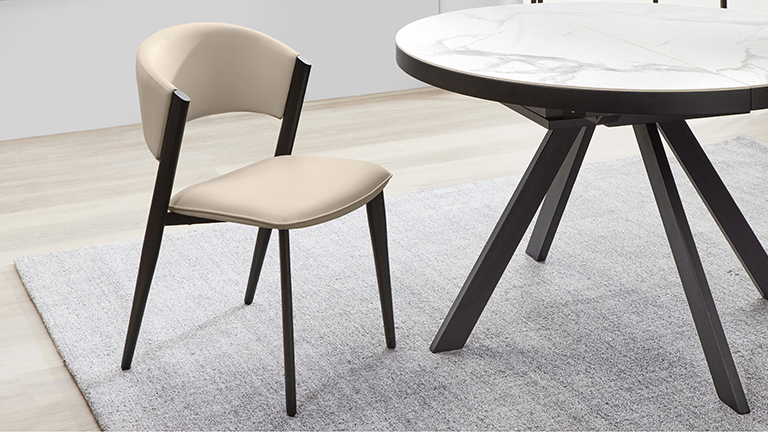
The right dining chairs can elevate both the comfort and style of your dining space. Keep these key considerations in mind when choosing seating for your table:
- Consider dining chair size. As a general guide, dining chairs should be around 45-50cm wide and 50-60cm deep to comfortably accommodate most users.
- Allow extra space for armchairs. If you're choosing carver chairs (dining chairs with arms), make sure there's approximately 10cm of additional room on either side of each chair so diners can sit down and move comfortably.
- Match the chair style to your space. High-back dining chairs can create a more formal and dramatic look, making them well suited to larger dining rooms. Low-back designs offer a lighter, more open feel and are a practical choice for family dining areas.
Mixing & Matching Dining Furniture
Whether you prefer the simplicity of a pre-styled dining set or the creativity of building your own combination, there are many ways to create a dining space that reflects your personal style. Coordinated collections offer a professionally curated look, while mix-and-match options give you the freedom to customise every detail.
- Choose a pre-styled dining set for effortless coordination. Matching dining collections takes the guesswork out of styling, with complementary tables, chairs, bar stools and storage pieces designed to work seamlessly together.
- Mix and match to create a unique look. Swapping dining chairs, experimenting with different materials, or introducing contrasting finishes can add personality and create a dining set tailored to your home.
- Look for a unifying design element. When combining different pieces, consider maintaining a common feature such as a timber finish, colour palette, or design style to create a cohesive overall look.
- Layer textures and materials. Pairing upholstered chairs with timber, marble, or metal dining tables can add depth and visual interest while creating a more curated, contemporary aesthetic.
- Create a tailored look. Consider chairs that offer a choice of fabrics, colours, and finishes, allowing you to create a cohesive and personalised dining space.
Stools & Bar Stools
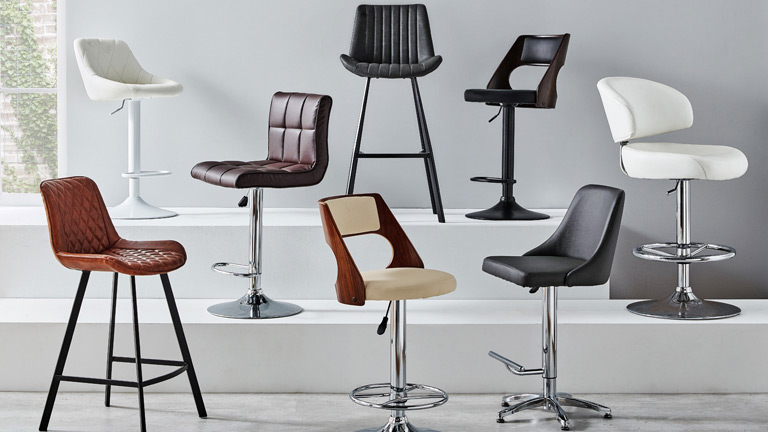
Stools and bar stools are a stylish alternative to traditional dining chairs, helping to create a more relaxed, casual setting while making the most of your available space. Consider the following when choosing the right option for your home:
- Flexible seating options. Choose from fixed-height or adjustable-height bases to perfectly match your bench or bar setting.
- Choose the correct height. Stools are generally available in four height categories: table height (40-58cm), counter height (61-68cm), bar height (71-83cm), and extra-tall (83-91cm). For the most comfortable seating experience, allow approximately 13-20cm between the seat and the underside of the table, benchtop, or bar.
- Balance comfort with practicality. Stools with backrests provide additional support and are ideal for longer periods of sitting. Backless designs, however, offer greater flexibility and can often be tucked neatly beneath a counter or stacked for easier storage.
- Allow enough room between seats. To ensure guests can sit and move comfortably, leave around 60-65cm between the centre of each stool. It's also a good idea to allow adequate space between the outer stools and the ends of the bench or countertop.
Sideboards & Buffets
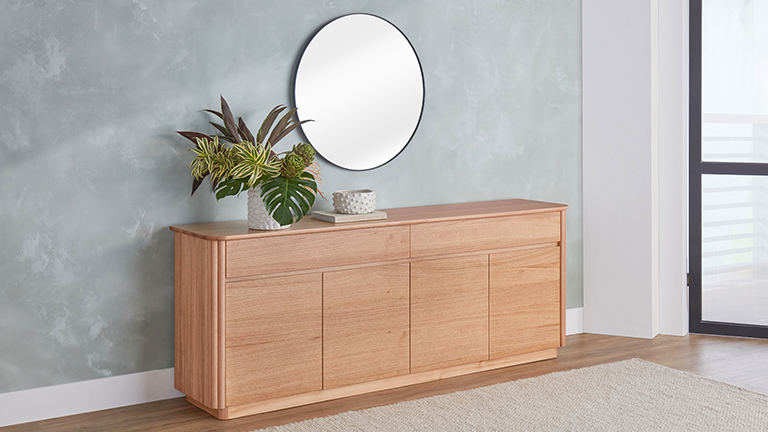
A sideboard or buffet is a practical addition to any dining room, providing valuable storage while helping to keep entertaining essentials organised and within easy reach.
When choosing a sideboard or buffet, keep the following in mind:
- Select a design that suits your storage needs. If you need space for dinnerware, glassware, serving pieces, or cutlery, look for a combination of cupboards, drawers, and shelving to keep everything neatly organised.
- Consider how the doors operate. In smaller dining areas, sideboards with sliding doors can be a smart choice, as they require less clearance and allow for easier access in compact spaces.
- Combine storage with display. Designs featuring glass-front cabinets or display sections can add visual interest to your dining room while providing the perfect place to showcase your favourite glassware, ceramics, or decorative pieces.
Dining Room Design
Furniture Style
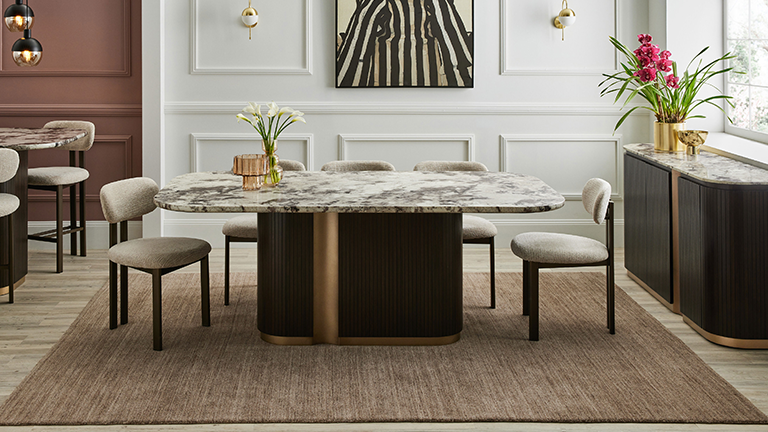
Creating a dining space that feels both stylish and functional starts with selecting furniture and finishes that complement your home and lifestyle. Here are a few design considerations to help guide your choice:
- Use timber tones to define the look. Warm timber finishes and substantial, classic silhouettes can create a timeless, traditional feel, while lighter timber tones and refined, minimalist profiles often suit contemporary interiors.
- Add a touch of luxury with a marble-look. Marble-look finishes bring elegance and sophistication to a dining room. Paired with clean lines and refined detailing, they can create a striking focal point for both everyday dining and entertaining.
- The beauty of mixed materials. Combining materials is a great way to create a balanced and visually appealing dining space. Stone top dining tables pair beautifully with a variety of furniture finishes, from upholstered fabrics and natural timbers to metal accents and textured finishes. Mixing materials adds depth, warmth, and character, helping your dining setting feel thoughtfully curated while highlighting the unique beauty of the stone surface.
How to Choose the Right Frame Material
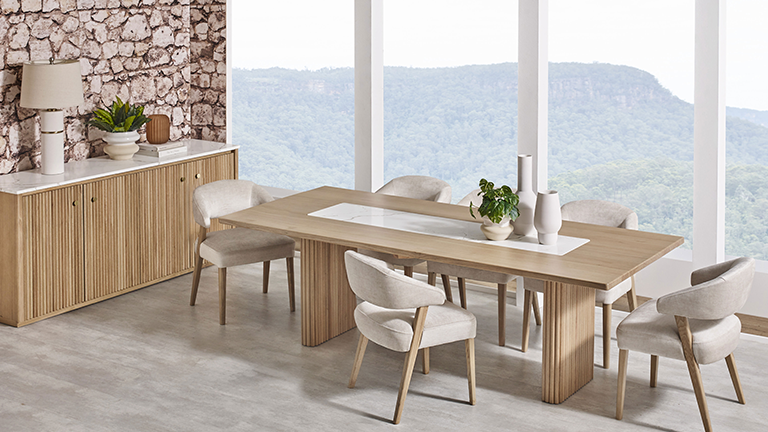
The material you choose can influence the look, durability, and everyday performance of your furniture. Whether your priority is longevity, style, or value, each option offers its own advantages.
- Solid timber offers timeless appeal. Known for its strength and durability, solid wood furniture is built to withstand daily use and can be enjoyed for years to come. Natural grain variations make each piece unique, while minor marks and scratches can often be refinished to help maintain its appearance over time.
- Timber veneers balance style and value. Typically crafted using engineered wood with a real timber veneer finish, these pieces deliver the look of natural wood at a more accessible price point. They're also generally lighter in weight, making them easier to move and position within the home.
- Metal delivers modern durability. Strong, stable, and easy to maintain, metal frame furniture is a popular choice for contemporary interiors. Its clean, streamlined appearance pairs well with a variety of materials and offers long-lasting performance in busy households.
Measuring the Space
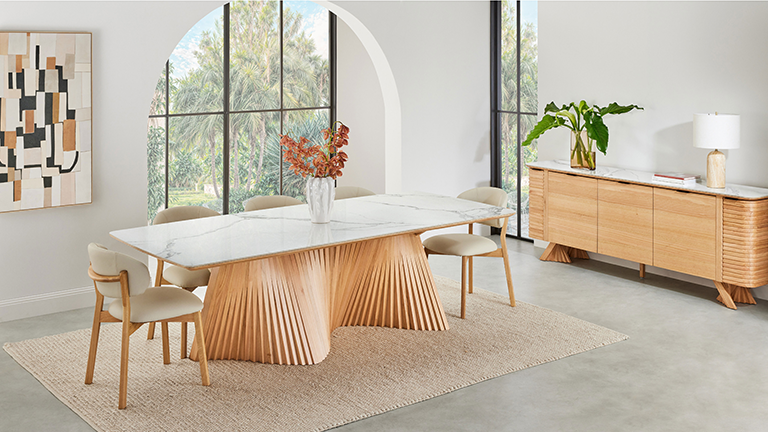
Taking accurate measurements before you buy is one of the best ways to ensure your new furniture fits comfortably and functions well within your space. Keep these practical tips in mind:
- Visualise the layout before committing. Use newspaper, masking tape, or cardboard to mark out the dimensions of furniture on the floor. This can help you understand how each piece will fit within the room and how much space it will occupy.
- Allow room to move comfortably. Be sure to leave adequate clearance around tables, chairs, sideboards, and other furniture to ensure doors, drawers, and walkways remain unobstructed.
- Check access points carefully. Measure doorways, hallways, staircases and tight corners to ensure your furniture can be delivered and moved into place with ease. Don't forget to account for fixed features such as balustrades, handrails, and built-in fixtures.
Furniture Care
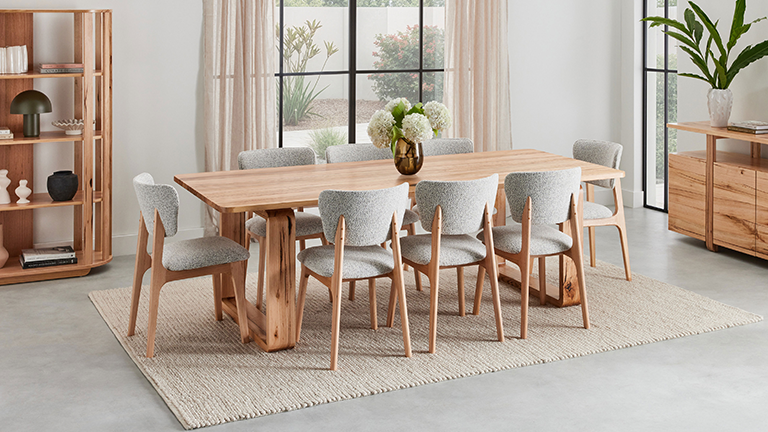
With the right care, quality furniture can look great and perform well for years to come. Follow these simple maintenance tips to help preserve the appearance and longevity of your pieces:
- Keep glass surfaces sparkling. Clean glass tabletops regularly with a quality glass cleaner and newspaper or a microfibre cloth to achieve a streak-free finish and maintain their clarity.
- Protect timber furniture from everyday wear. Dust surfaces with a soft, dry cloth and avoid prolonged exposure to direct sunlight, which can cause fading or discolouration over time.
- Maintain leather with the right products. Use leather-specific care products to help keep upholstery looking its best and feeling supple. If spills occur, gently blot the area immediately rather than rubbing, as excessive friction can damage the material.
Choosing the Right Upholstery
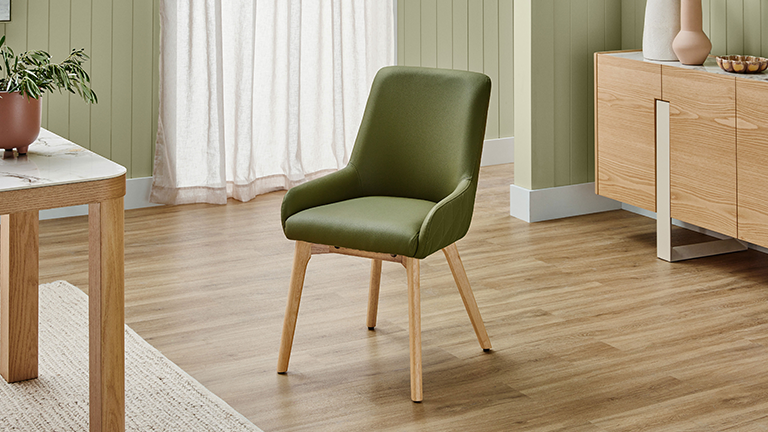
Upholstery has a significant impact on the comfort, style, and everyday practicality of your furniture. Selecting the right fabric or material can help ensure your furniture suits both your lifestyle and your home's aesthetic.
When choosing upholstery, keep these considerations in mind:
- Match the material to your lifestyle. For busy households or homes with children and pets, durable, easy-care materials such as leather or performance fabrics can help withstand everyday wear and make cleaning easier. Choosing darker or mid-tone upholstery can also help minimise the appearance of everyday marks and spills.
- Think long-term with versatile colours. Neutral tones and understated textures offer greater flexibility when updating your décor and can complement a wide range of interior styles for years to come.
- Protect delicate fabrics. If you choose a lighter or more delicate upholstery, consider using removable seat protectors or covers for everyday use. This can help preserve the fabric's appearance while keeping it looking its best for special occasions and entertaining.


